Concert and Event Ticket Fees Explained
Demystify concert and event ticket fees. Understand service charges and processing fees before buying.
Demystify concert and event ticket fees. Understand service charges and processing fees before buying.
Concert and Event Ticket Fees Explained
Ever felt that sting when you're about to hit 'purchase' on those concert tickets, only to see a bunch of extra charges pop up? You're not alone. Those mysterious 'service fees,' 'processing fees,' 'facility charges,' and more can easily add 20-30% to the advertised price, turning a seemingly good deal into a budget-buster. This isn't just a minor annoyance; it's a significant consumer pain point, especially in markets like the US and increasingly in Southeast Asia, where online ticketing is booming. Understanding these fees isn't just about being informed; it's about being empowered to make smarter purchasing decisions and, sometimes, even finding ways to minimize their impact.
Let's dive deep into the world of ticket fees, breaking down what they are, why they exist, and how they impact your wallet. We'll look at the major players in the ticketing industry, compare their fee structures, and even explore some alternative strategies to get your hands on those coveted tickets without feeling completely ripped off.
Understanding the Different Types of Ticket Fees and Charges
It's not just one fee; it's often a cocktail of charges. Here's a breakdown of the most common culprits:
Service Fees or Convenience Fees What You Pay for Booking
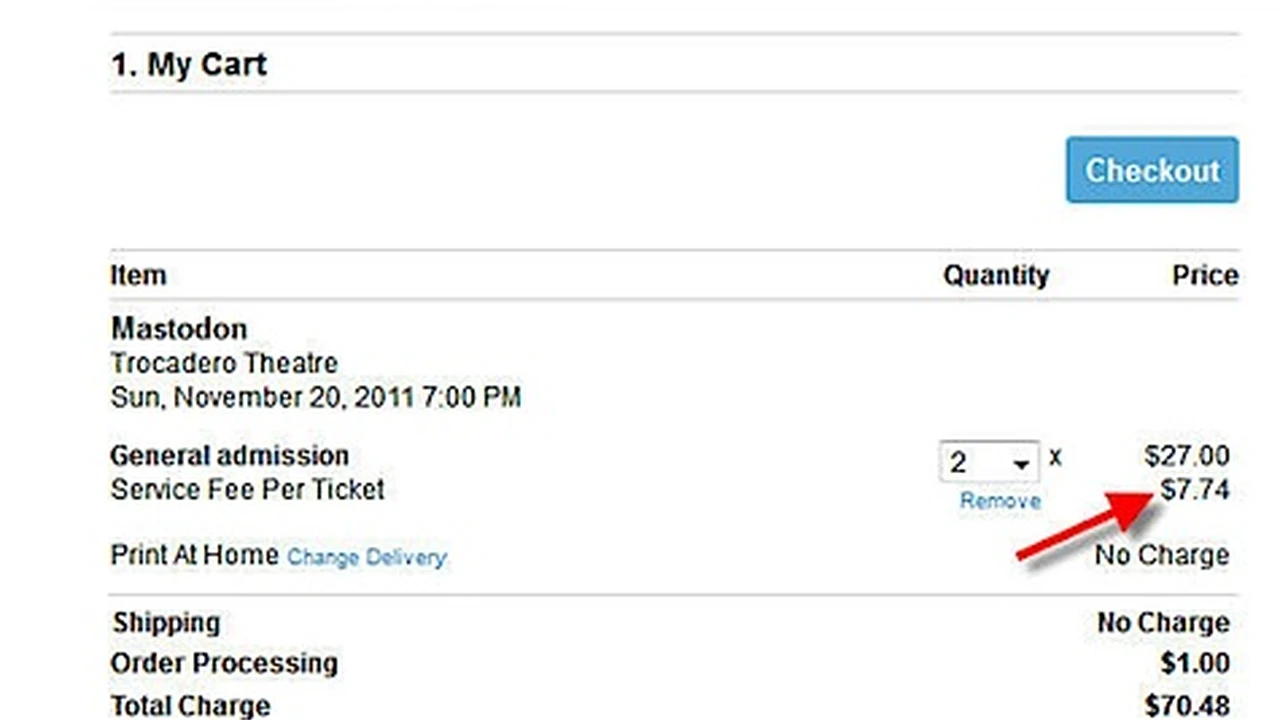
This is arguably the most common and often the largest fee. Ticketing platforms like Ticketmaster, Live Nation, and others charge a 'service fee' (sometimes called a 'convenience fee') for the privilege of using their platform to purchase tickets. What does it cover? Well, according to them, it covers the cost of operating their sophisticated ticketing systems, customer service, fraud prevention, and the infrastructure required to handle millions of transactions. Essentially, it's their cut for facilitating the sale. These fees are typically a percentage of the ticket's face value, but can also be a flat rate, and they vary wildly depending on the event, venue, and platform.
Processing Fees or Order Fees The Cost of Your Transaction
Separate from the service fee, a 'processing fee' or 'order fee' might be added per transaction. While the service fee is often per ticket, the processing fee is usually applied once per order, regardless of how many tickets you buy. This fee is supposedly for the administrative costs associated with processing your payment, generating your tickets, and sending them to you (whether digitally or physically). It's another layer of cost that adds up, especially for smaller orders.
Facility Fees or Venue Fees Supporting the Event Location
This fee is often passed directly to the venue. 'Facility fees' (or 'venue fees,' 'building fees,' 'restoration fees') are charged to help venues cover their operational costs, maintenance, upgrades, and sometimes even new construction. While it sounds reasonable in theory – who doesn't want a well-maintained venue? – the transparency around how these funds are actually used can be murky. These fees are typically a flat rate per ticket and are non-negotiable.
Delivery Fees or E-Ticket Fees Getting Your Tickets to You
Even in the age of digital tickets, you might still encounter 'delivery fees.' If you opt for physical tickets, you'll pay for shipping. But even for e-tickets or mobile tickets, some platforms charge a small 'e-ticket fee' or 'digital delivery fee.' This is often justified as covering the cost of maintaining the digital delivery infrastructure, though many consumers feel it's an unnecessary charge for something that should be standard in a digital world.
Taxes and Regulatory Fees Government Mandated Charges
These are the less controversial fees, as they are often government-mandated. Sales tax, local entertainment taxes, or other regulatory fees might be added to your ticket price. These vary significantly by location, both within the US and across different countries in Southeast Asia. While they contribute to the overall cost, they are usually clearly defined and less subject to the ticketing platform's discretion.
Why Do These Fees Exist The Ticketing Ecosystem
To understand why these fees are so prevalent, we need to look at the complex ecosystem of live events. It's not just the artist and the fan; there are promoters, venues, and ticketing companies, all with their own financial interests.
The Role of Ticketing Companies and Their Business Model
Companies like Ticketmaster (which merged with Live Nation, forming a dominant force) often have exclusive contracts with venues and promoters. This means they are the sole authorized seller for many events. Their business model heavily relies on these fees. While the face value of a ticket is split between the artist, promoter, and venue, the fees often go directly to the ticketing company, making them a significant revenue stream. This lack of competition in many markets allows them to set these fees without much pressure to reduce them.
Venue and Promoter Perspectives The Need for Revenue
Venues and promoters also benefit from these fees, sometimes directly through facility fees, and sometimes indirectly through revenue-sharing agreements with ticketing companies. Running a venue or promoting an event is expensive, involving significant overheads, staffing, security, and marketing. These fees help cover those costs, ensuring the event can even happen.
The Illusion of Lower Face Value Tickets
Sometimes, artists or promoters might intentionally keep the face value of tickets lower to appear more affordable, knowing that the ticketing company will add fees. This can be a strategic move to attract more buyers, even if the final price isn't much different. It shifts some of the perceived 'blame' for high prices away from the artist/promoter and onto the ticketing platform.
Comparing Ticketing Platforms and Their Fee Structures
While the fees are ubiquitous, their exact structure and magnitude can vary. Let's look at some major players and how they handle fees, keeping in mind that specific fees can change based on the event and location.
Ticketmaster and Live Nation The Dominant Player
As the largest player in many markets, Ticketmaster/Live Nation is often the benchmark for fees. Their service fees can range from 10% to 30% of the ticket's face value, sometimes even higher for premium events. They also commonly add facility fees and processing fees. For example, a $100 concert ticket might end up costing $130-$140 after all fees. They have faced significant criticism for their fee structure and lack of transparency, particularly in the US.
AXS A Growing Competitor
AXS is another major ticketing platform, often competing with Ticketmaster for venue contracts. Their fee structure is generally similar, with service fees, processing fees, and facility fees. While they might occasionally offer slightly lower fees for certain events, the overall impact on the final price is comparable to Ticketmaster. They also operate in various international markets, including parts of Southeast Asia.
Eventbrite For Smaller Events and Festivals
Eventbrite is popular for smaller, independent events, workshops, and festivals. Their fee structure is often more transparent, with a clear breakdown for both the organizer and the buyer. For paid tickets, Eventbrite typically charges a service fee (a percentage of the ticket price plus a small flat fee) and a payment processing fee. These fees are often absorbed by the organizer or passed on to the buyer. For example, a $50 event ticket might incur a $3.50 Eventbrite fee + $1.50 payment processing fee, totaling $5 in fees, which is about 10%.
Local Ticketing Platforms in Southeast Asia
In Southeast Asia, you'll find a mix of international players and strong local platforms. For example, in Singapore, SISTIC is a major player, while in Indonesia, Loket.com and Tiket.com are popular. These platforms also charge service fees and processing fees, often reflecting local market conditions and payment gateway costs. While the percentages might differ, the principle of adding fees on top of the face value remains consistent. For instance, a concert ticket in Singapore might have a 5-10% booking fee on top of the ticket price.
Resale Market Platforms StubHub SeatGeek Viagogo
The secondary market (resale market) has its own set of fees. Platforms like StubHub, SeatGeek, and Viagogo connect buyers and sellers of tickets. They typically charge both the seller and the buyer a fee. Buyer fees can range from 10% to 20% of the listed price. The key difference here is that the initial price is set by the reseller, not the original venue, and can fluctuate based on demand. While these platforms offer access to sold-out events, the total cost can be significantly higher due to both the reseller's markup and the platform's fees.
Strategies to Minimize or Avoid Ticket Fees
While completely avoiding fees is often impossible, there are strategies you can employ to minimize their impact:
Buying Tickets Directly from the Venue Box Office
This is often the most effective way to avoid or significantly reduce fees. Many venues sell tickets directly from their box office without charging the online service and processing fees. You'll still likely pay facility fees and taxes, but you can save a substantial amount. This requires a trip to the venue, which isn't always convenient, but for popular events, it can be worth the effort. Always check the venue's website for box office hours and policies.
Looking for All-In Pricing Options
Some newer ticketing platforms or specific events are experimenting with 'all-in pricing,' where the advertised price includes all fees upfront. This provides much-needed transparency and allows you to see the true cost from the start. While not widespread, it's a growing trend, especially in response to consumer backlash against hidden fees. Always look for language like 'all-inclusive pricing' or 'no hidden fees' when browsing for tickets.
Comparing Prices Across Different Platforms and Resellers
Before committing to a purchase, do a quick comparison. Check the official ticketing site, but also look at reputable resale platforms. Sometimes, a reseller might list tickets at a price that, even with their fees, is comparable to or even lower than the official site's final price, especially if demand is low or the event is approaching. Be cautious with unofficial sites and always verify legitimacy.
Joining Fan Clubs or Presales for Early Access
Many artists offer fan club presales or special presale codes. While these don't eliminate fees, they can give you access to tickets before they hit the general public, potentially allowing you to secure better seats at face value before they end up on the more expensive resale market. Sometimes, presales might even have slightly lower fees as a perk.
Considering Less Popular Seating or Event Times
Fees are often a percentage of the ticket price. So, buying a cheaper ticket (e.g., nosebleed seats instead of front row) will result in lower absolute fee amounts. Similarly, attending a weekday show instead of a weekend one, or an matinee instead of an evening performance, might have slightly lower ticket prices and thus lower fees.
Using Credit Cards with Purchase Protection or Rewards
While this doesn't reduce fees, using a credit card with good purchase protection can be beneficial if an event is canceled or if there's an issue with your tickets. Some credit cards also offer rewards points or cashback, which can indirectly offset some of the fee costs. Always check your card's benefits.
Specific Product Recommendations and Use Cases
Let's look at some real-world examples and how different platforms might be better suited for various scenarios.
For Major Concerts and Sporting Events The Big Players
When you're looking for tickets to a major concert (like Taylor Swift or Coldplay) or a big sporting event (NBA, NFL, F1), you'll almost certainly be dealing with Ticketmaster, Live Nation, or AXS. These platforms have exclusive contracts with the biggest venues and promoters. For example, if you want to see a concert at Madison Square Garden in New York or the Singapore Indoor Stadium, these are your primary options.
- Ticketmaster/Live Nation: Dominant in US, Canada, UK, and increasingly in parts of Asia. Expect service fees of 15-25% of ticket price, plus facility and processing fees. A $150 concert ticket could easily become $180-$200.
- AXS: Strong presence in certain US cities (e.g., Los Angeles, Denver) and international markets. Similar fee structure to Ticketmaster.
Use Case: Securing tickets for a highly anticipated artist. Your best bet is to be ready right when tickets go on sale, have your account pre-logged in, and accept that fees are part of the game. Consider the box office option if feasible.
For Independent Artists and Local Gigs Eventbrite and Local Platforms
If you're looking for tickets to a local band, a comedy show at a smaller venue, or a community festival, platforms like Eventbrite are often used by organizers. In Southeast Asia, local platforms like SISTIC (Singapore), Loket.com (Indonesia), or Ticketmelon (Thailand) are popular for a wider range of events, from theater to smaller music festivals.
- Eventbrite: Fees typically around 3.7% + $1.79 per paid ticket (for US events, varies by region) plus payment processing fees (e.g., 2.9% for Stripe). For a $30 ticket, total fees might be around $3-$4.
- SISTIC (Singapore): Booking fees typically range from S$1 to S$4 per ticket, depending on the ticket price. For a S$80 ticket, expect a S$3-S$4 fee.
- Loket.com (Indonesia): Fees vary but are generally a percentage of the ticket price, often around 5-10%, plus a small flat fee.
Use Case: Discovering local talent or attending niche events. Fees are generally lower in absolute terms, and the platforms are often more user-friendly for smaller organizers. Transparency can be better here.
For Resale Tickets StubHub SeatGeek and Viagogo
When an event is sold out, or you're looking for specific seats, the secondary market comes into play. These platforms connect you with individuals selling their tickets.
- StubHub: Buyer fees typically range from 10-15% of the listed price. A $200 ticket might have a $20-$30 buyer fee.
- SeatGeek: Known for its 'Deal Score' and often includes fees in the initial price displayed, making it more transparent. Buyer fees are generally in the 10-20% range.
- Viagogo: Operates globally, including Southeast Asia. Has faced criticism for high fees and sometimes misleading practices. Buyer fees can be 20% or more. Exercise caution.
Use Case: Getting tickets to a sold-out show or finding specific seating sections. Always compare across these platforms, and be mindful that the initial price you see might not be the final price until checkout. Check the seller's reputation if possible.
Direct from Artist or Fan Club Websites
Sometimes, artists sell a limited number of tickets directly through their own websites or fan club portals. These might still use a third-party ticketing provider, but occasionally, they can offer slightly better terms or exclusive access.
Use Case: Being a dedicated fan. Joining fan clubs can give you a slight edge in getting tickets at face value before they hit the general market, potentially avoiding the highest resale markups.
The Future of Ticketing Fees Consumer Advocacy and Legislation
The issue of hidden ticket fees is not new, and consumer advocacy groups, as well as lawmakers, are increasingly pushing for greater transparency and reform. In the US, there's been a growing movement towards 'all-in pricing' legislation, where the advertised price must be the final price, inclusive of all fees. Some states and cities have already implemented such laws, and there's federal pressure to adopt this nationwide.
The 'Junk Fee Prevention Act' proposed in the US aims to tackle hidden fees across various industries, including ticketing. The goal is to ensure consumers see the full price upfront, making it easier to compare and budget. While this wouldn't necessarily eliminate fees, it would make them transparent from the start, which is a significant win for consumers.
In Southeast Asia, while the regulatory landscape varies by country, there's also a growing awareness of consumer rights in online transactions. As e-commerce and online ticketing continue to grow, it's likely that similar calls for transparency and fair pricing will emerge, potentially leading to more standardized fee disclosures.
Ultimately, being an informed consumer is your best defense against feeling ripped off by ticket fees. Understand what you're paying for, explore all your purchasing options, and advocate for greater transparency in the ticketing industry. Your wallet will thank you.
:max_bytes(150000):strip_icc()/277019-baked-pork-chops-with-cream-of-mushroom-soup-DDMFS-beauty-4x3-BG-7505-5762b731cf30447d9cbbbbbf387beafa.jpg)