Consumer Advocacy for Environmental Issues
Understand consumer advocacy efforts for environmental issues. How consumers can drive sustainable practices.
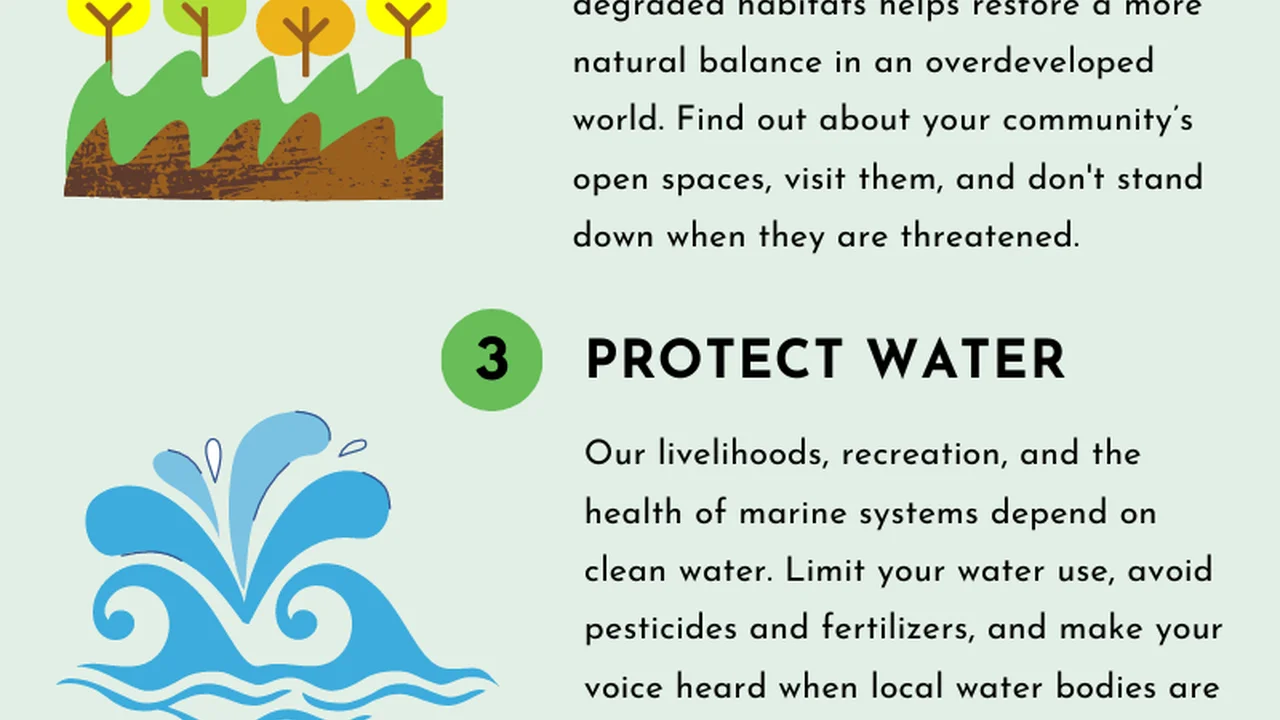
Understand consumer advocacy efforts for environmental issues. How consumers can drive sustainable practices.
Consumer Advocacy for Environmental Issues Driving Sustainable Practices
The Power of Green Consumerism Understanding Your Impact
Hey there! Ever wondered if your everyday shopping choices actually make a difference for the planet? The answer is a resounding yes! Consumer advocacy for environmental issues isn't just about big protests or policy changes; it's deeply rooted in what we buy, where we buy it, and how we use it. This concept, often called 'green consumerism,' empowers you to be a force for good. Every dollar you spend is a vote for the kind of world you want to live in. When you choose products and services from environmentally responsible companies, you're sending a clear message to the market: sustainability matters. This article will dive deep into how your consumer choices can drive sustainable practices, recommend specific eco-friendly products, compare their features and prices, and show you how to become a more effective environmental advocate through your purchasing power.
Why Your Consumer Choices Matter Environmental Advocacy Through Spending
Think about it: businesses exist to meet consumer demand. If demand shifts towards sustainable, ethically produced goods, companies will adapt. This is the core principle behind consumer advocacy in the environmental sphere. When enough consumers prioritize eco-friendly options, it creates a ripple effect:
- Market Shift: Companies that once ignored environmental impact start investing in sustainable practices, renewable energy, and ethical supply chains to stay competitive.
- Innovation: Increased demand for green products spurs innovation, leading to better, more affordable eco-friendly alternatives.
- Policy Influence: A strong consumer base advocating for environmental issues can influence policymakers to enact stricter environmental regulations and support green initiatives.
- Awareness: Your choices can inspire friends, family, and even strangers to consider their own environmental impact, spreading awareness and fostering a collective movement.
It's not just about avoiding harmful products; it's about actively seeking out and supporting those that do good. This proactive approach is what makes consumer advocacy such a powerful tool for environmental change.
Eco Friendly Home Essentials Sustainable Living Products Compared
Let's start with the place we spend most of our time: our homes. Switching to eco-friendly home essentials is one of the easiest ways to reduce your environmental footprint. Here are a few categories and specific product recommendations:
Reusable Food Storage Best Alternatives to Single Use Plastics
Single-use plastics are a huge problem. Swapping out plastic wrap and disposable bags for reusable options is a no-brainer. Here are some top picks:
- Stasher Reusable Silicone Bags: These are incredibly versatile, durable, and can go from freezer to microwave to dishwasher. They come in various sizes, perfect for snacks, sandwiches, or even sous vide cooking.
- Bee's Wrap Reusable Food Wraps: Made from organic cotton, beeswax, jojoba oil, and tree resin, these are a natural alternative to plastic wrap. They're great for covering bowls, wrapping cheese, or packing sandwiches. They last about a year with proper care.
- Pyrex Glass Food Storage Containers: Glass is infinitely recyclable and doesn't leach chemicals into your food. Pyrex containers are durable, oven-safe, microwave-safe, and come with airtight lids.
Comparison and Pricing:
| Product | Key Features | Typical Price Range (USD) | Pros | Cons |
|---|---|---|---|---|
| Stasher Bags | Food-grade silicone, freezer/microwave/dishwasher safe, various sizes | $10 - $25 per bag (depending on size) | Extremely durable, versatile, easy to clean | Higher initial cost |
| Bee's Wrap | Organic cotton, beeswax coating, natural alternative | $18 - $25 for a multi-pack | Compostable, natural, good for specific foods | Not ideal for liquids, requires hand washing, needs replacing annually |
| Pyrex Glass Containers | Durable glass, airtight lids, oven/microwave safe | $20 - $40 for a set | Very durable, non-toxic, long-lasting | Heavier, can break if dropped |
Eco Friendly Cleaning Products Non Toxic and Effective Options
Many conventional cleaning products contain harsh chemicals that are bad for your health and the environment. Opting for eco-friendly alternatives is a simple switch.
- Blueland Cleaning Tablets: Instead of buying new plastic bottles of cleaner, Blueland offers refillable bottles and concentrated cleaning tablets. Just drop a tablet into water, and you have a powerful, non-toxic cleaner. They have options for multi-surface, glass, and bathroom.
- Seventh Generation Disinfecting Wipes: If you prefer wipes, Seventh Generation offers plant-based disinfecting wipes that kill 99.9% of household germs without harsh chemicals. They're free of bleach, dyes, and synthetic fragrances.
- Dr Bronner's Sal Suds Biodegradable Cleaner: This highly concentrated, biodegradable cleaner is incredibly versatile. You can use it for dishes, laundry, floors, and general household cleaning. A little goes a long way.
Comparison and Pricing:
| Product | Key Features | Typical Price Range (USD) | Pros | Cons |
|---|---|---|---|---|
| Blueland Tablets | Refill system, non-toxic, compact storage | $15 - $30 for starter kit, $7 - $10 for refills | Reduces plastic waste, effective, pleasant scents | Initial investment for bottles |
| Seventh Generation Wipes | Plant-based, bleach-free, convenient | $4 - $6 per pack | Easy to use, effective disinfection | Still generates some waste (wipes themselves) |
| Dr Bronner's Sal Suds | Highly concentrated, biodegradable, versatile | $10 - $20 per bottle | Extremely cost-effective, multi-purpose, truly eco-friendly | Requires dilution, not pre-mixed |
Sustainable Personal Care Products Zero Waste Bathroom Solutions
Your bathroom is another area ripe for eco-friendly upgrades. Think about all the plastic bottles!
- Ethique Solid Shampoo and Conditioner Bars: These bars are equivalent to 2-3 bottles of liquid product, saving a lot of plastic. They come in various formulations for different hair types and are highly concentrated.
- Bamboo Toothbrushes: A simple swap from plastic toothbrushes. Bamboo is biodegradable and grows quickly, making it a sustainable material.
- Who Gives A Crap Toilet Paper: This company makes toilet paper from 100% recycled paper or bamboo, and they donate 50% of their profits to build toilets in developing countries. It's a win-win.
Comparison and Pricing:
| Product | Key Features | Typical Price Range (USD) | Pros | Cons |
|---|---|---|---|---|
| Ethique Bars | Zero waste, concentrated, travel-friendly | $15 - $20 per bar | Reduces plastic, long-lasting, effective | Requires proper storage to last, some adjustment period |
| Bamboo Toothbrushes | Biodegradable handle, natural material | $5 - $10 for a multi-pack | Reduces plastic waste, affordable | Bristles are often nylon (not biodegradable) |
| Who Gives A Crap TP | Recycled/bamboo paper, charitable giving | $30 - $50 for a box (48 rolls) | Sustainable, supports a good cause, delivered to your door | Higher upfront cost, subscription model often |
Ethical Fashion and Sustainable Apparel Making Conscious Clothing Choices
The fashion industry is a major polluter. Fast fashion, with its rapid production cycles and cheap materials, contributes significantly to waste and carbon emissions. As a consumer, you can advocate for change by supporting ethical and sustainable apparel brands.
What to Look For in Sustainable Clothing Brands
- Sustainable Materials: Prioritize organic cotton, linen, hemp, recycled polyester, Tencel (lyocell), and other low-impact fabrics.
- Ethical Production: Look for certifications like Fair Trade, GOTS (Global Organic Textile Standard), or B Corp, which indicate fair labor practices and environmental responsibility.
- Durability and Quality: Invest in well-made pieces that will last, reducing the need for frequent replacements.
- Transparency: Brands that are open about their supply chain and manufacturing processes are generally more trustworthy.
Recommended Sustainable Apparel Brands
- Patagonia: A pioneer in sustainable outdoor wear. They use recycled materials, offer repair services, and are transparent about their environmental impact. Their Worn Wear program encourages buying and selling used Patagonia gear.
- Everlane: Known for 'radical transparency,' Everlane provides detailed information about their factories, costs, and environmental initiatives. They focus on high-quality, timeless pieces.
- Tentree: For every item purchased, Tentree plants ten trees. They use sustainable materials like organic cotton, recycled polyester, and Tencel, and are a certified B Corp.
Comparison and Pricing:
| Brand | Key Focus | Typical Price Range (USD) | Pros | Cons |
|---|---|---|---|---|
| Patagonia | Outdoor gear, durability, repairability, recycled materials | $50 - $300+ (depending on item) | Exceptional quality, strong environmental commitment, long-lasting | Higher price point |
| Everlane | Ethical basics, transparency, quality materials | $20 - $150 (for most apparel) | Transparent supply chain, stylish basics, good value for quality | Limited range of styles compared to fast fashion |
| Tentree | Tree planting, sustainable materials, casual wear | $30 - $100 (for most apparel) | Direct environmental impact (trees planted), comfortable, stylish | Focus on casual wear, less formal options |
Sustainable Technology and Electronics Reducing E Waste
Our reliance on technology comes with a significant environmental cost, primarily due to e-waste and the energy consumption of manufacturing. As consumers, we can advocate for more sustainable tech by:
- Extending Product Lifespan: Repairing devices instead of replacing them, buying refurbished, and choosing products known for durability.
- Choosing Energy-Efficient Models: Look for Energy Star certifications on appliances and electronics.
- Supporting Brands with Take-Back Programs: Some companies offer recycling programs for old electronics.
- Considering Fairphone: This company is a leader in ethical and modular smartphones, designed for easy repair and longevity.
Fairphone A Modular and Ethical Smartphone
Fairphone is perhaps the best example of consumer advocacy driving sustainable practices in electronics. Their phones are designed to be easily repairable, with modular components that can be replaced by the user. They also prioritize ethical sourcing of minerals and fair labor practices.
Fairphone 4:
- Key Features: Modular design, 5G connectivity, dual camera, long-term software support, 5-year warranty.
- Typical Price Range (USD): $600 - $800 (varies by region and configuration).
- Pros: Extremely repairable, ethical supply chain, reduced e-waste, long-lasting.
- Cons: Higher price point than some competitors, camera quality might not match top-tier flagships, limited availability in some markets (especially the US).
While Fairphone might not be for everyone, supporting companies like them sends a strong signal to the tech industry that consumers value sustainability and ethics over planned obsolescence.
Sustainable Food Choices Eating for the Planet
What we eat has a massive environmental impact, from land use and water consumption to greenhouse gas emissions. Consumer advocacy in food involves making informed choices about where your food comes from and how it's produced.
Key Principles for Sustainable Food Choices
- Eat Local and Seasonal: Reduces transportation emissions and supports local economies.
- Reduce Meat Consumption: Livestock farming is a significant contributor to greenhouse gases. Even reducing meat intake a few days a week can make a difference.
- Choose Organic and Regenerative: Supports farming practices that avoid harmful pesticides and promote soil health.
- Minimize Food Waste: Plan meals, store food properly, and compost scraps.
- Look for Certifications: Labels like 'Certified Organic,' 'Fair Trade,' or 'Rainforest Alliance Certified' can guide your choices.
Plant Based Meat Alternatives A Comparison
For those looking to reduce meat consumption, plant-based alternatives have come a long way. They often require less land and water to produce than traditional meat.
- Beyond Meat: Known for its realistic texture and flavor, Beyond Meat products (burgers, sausages, ground meat) are widely available and aim to mimic the experience of eating beef.
- Impossible Foods: Another major player, Impossible Foods uses heme (a molecule found in plants) to give their products a meaty flavor and appearance. Their burgers and ground meat are very popular.
- Gardein: Offers a wider range of plant-based proteins, including chicken-style nuggets, fishless fillets, and various meatless burgers.
Comparison and Pricing:
| Product | Key Features | Typical Price Range (USD) | Pros | Cons |
|---|---|---|---|---|
| Beyond Meat | Pea protein-based, mimics beef texture/flavor | $5 - $8 per patty/pack | Widely available, good taste and texture, high protein | Can be highly processed, sodium content |
| Impossible Foods | Soy protein-based, heme for meaty flavor | $5 - $8 per patty/pack | Very realistic taste, good for those transitioning from meat | Contains soy, can be highly processed |
| Gardein | Soy/wheat protein-based, wide variety of products | $4 - $7 per pack | Affordable, diverse product range, good for different meal types | Taste/texture can vary, some products are more processed |
Energy Efficiency and Renewable Energy Your Home Your Impact
Beyond the products you buy, how you power your home is a huge part of your environmental footprint. Consumer advocacy here means demanding and adopting more energy-efficient solutions.
Smart Home Devices for Energy Savings
- Smart Thermostats (e.g., Nest Learning Thermostat, Ecobee SmartThermostat): These devices learn your preferences, adjust temperatures automatically, and can be controlled remotely, leading to significant energy savings on heating and cooling.
- Smart Plugs (e.g., TP-Link Kasa Smart Plug, Wemo Mini Smart Plug): Turn off 'vampire' power draw from electronics by scheduling them to power down when not in use.
- LED Lighting: Replacing incandescent bulbs with LEDs can reduce lighting energy consumption by up to 80%.
Comparison and Pricing (Smart Thermostats):
| Product | Key Features | Typical Price Range (USD) | Pros | Cons |
|---|---|---|---|---|
| Nest Learning Thermostat | Learns schedule, sleek design, integrates with Google Home | $200 - $250 | Intuitive, aesthetically pleasing, good energy reports | Higher price, some features require Nest ecosystem |
| Ecobee SmartThermostat | Room sensors, built-in Alexa, integrates with many smart home platforms | $200 - $250 | Excellent for multi-room homes, voice control, robust features | Can be more complex to set up initially |
Switching to Renewable Energy Providers
In many regions, you have the option to choose your electricity provider. Look for companies that offer 100% renewable energy plans. This directly supports the growth of solar, wind, and other clean energy sources. Websites like Green-e.org can help you find certified renewable energy options in your area.
Advocating Beyond Your Wallet Engaging with Brands and Policy
While your purchasing power is immense, consumer advocacy for environmental issues extends beyond just what you buy. Here's how you can amplify your impact:
- Contact Companies Directly: Send emails, tweet, or comment on social media. Ask about their sustainability practices, ethical sourcing, and waste reduction efforts. Positive feedback for good practices is just as important as criticism for bad ones.
- Leave Reviews: Highlight a company's environmental efforts (or lack thereof) in your product reviews. This informs other consumers and pressures brands.
- Support Environmental Organizations: Donate to or volunteer with groups like the Sierra Club, Greenpeace, or local conservation efforts. They often lobby for policy changes that benefit the environment.
- Vote with Your Ballot: Support political candidates who prioritize environmental protection and sustainable policies.
- Educate Yourself and Others: Stay informed about environmental issues and share what you learn with your community. Knowledge is power!
Remember, every small action contributes to a larger movement. By consciously choosing sustainable products and actively advocating for environmental responsibility, you're not just making a purchase; you're investing in a healthier planet for everyone. Keep making those informed choices, and keep pushing for a greener future.
:max_bytes(150000):strip_icc()/277019-baked-pork-chops-with-cream-of-mushroom-soup-DDMFS-beauty-4x3-BG-7505-5762b731cf30447d9cbbbbbf387beafa.jpg)