Consumer Rights for Financial Services
Discover your consumer rights when dealing with financial services. Protect your investments and savings.
Discover your consumer rights when dealing with financial services. Protect your investments and savings.
Consumer Rights for Financial Services Protecting Your Money
Hey there! Ever felt a bit lost when dealing with banks, investment firms, or even just your credit card company? You’re not alone. Financial services can be super complex, and it’s easy to feel like you’re navigating a maze. But here’s the good news: you have rights! Knowing these rights is your superpower when it comes to protecting your hard-earned money, investments, and savings. Whether you’re in the bustling markets of the US or the rapidly growing economies of Southeast Asia, understanding your consumer rights in financial services is absolutely crucial. Let’s dive in and make sure you’re well-equipped to handle any financial situation with confidence.
Understanding Your Fundamental Financial Consumer Rights
First things first, what exactly are these fundamental rights? Think of them as your basic protections when you interact with any financial institution. These aren't just nice-to-haves; they're legally binding principles designed to ensure fairness, transparency, and security in the financial world. These rights generally cover areas like fair treatment, clear information, privacy, and the ability to seek redress if something goes wrong. It’s about making sure you’re not taken advantage of and that you have a voice when it comes to your money.
Transparency and Disclosure Your Right to Clear Information
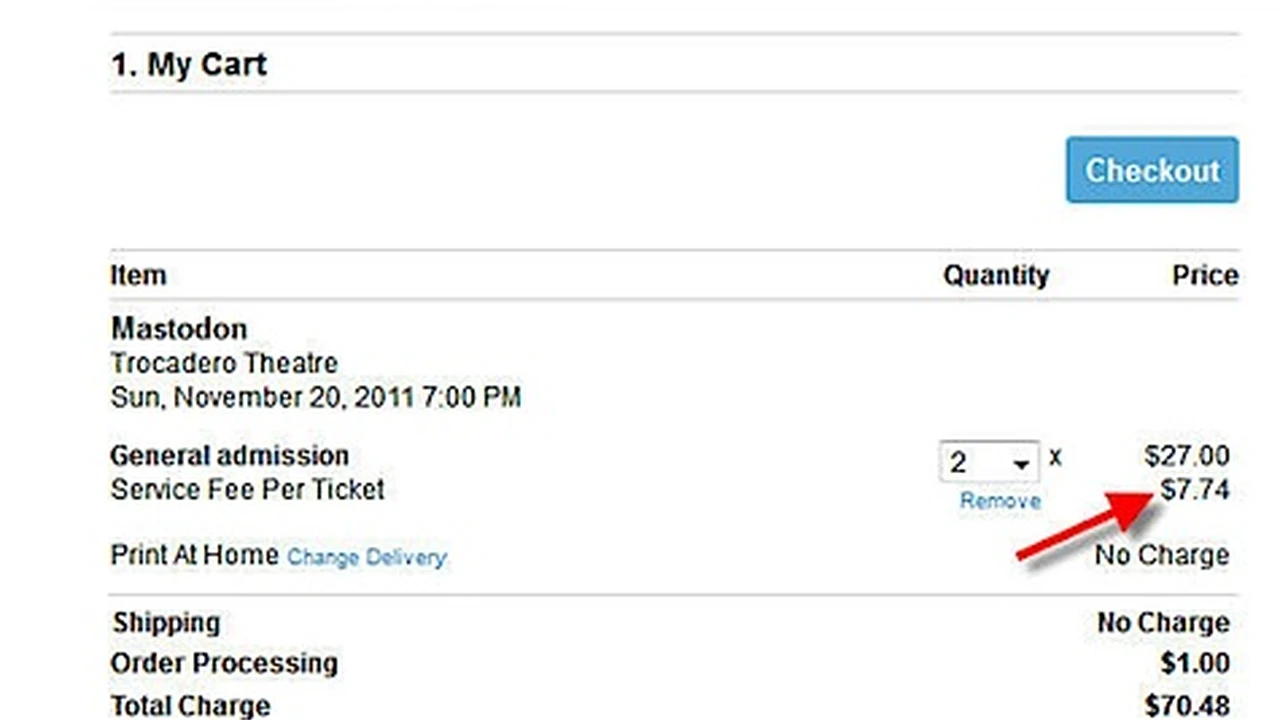
One of the biggest rights you have is the right to clear, accurate, and timely information. This means financial institutions should tell you everything you need to know about a product or service before you commit. No hidden fees, no confusing jargon, and no surprises. For example, when you open a bank account, they should clearly explain all the fees, interest rates, and terms. When you invest, they should disclose all risks, potential returns, and associated charges. In the US, regulations like the Truth in Lending Act (TILA) and the Truth in Savings Act (TISA) mandate this kind of transparency for loans and deposit accounts, respectively. In Southeast Asia, many countries are strengthening their disclosure requirements, often guided by central banks or financial services authorities. Always ask for a copy of the terms and conditions and don't be afraid to ask questions until you fully understand.
Fair Treatment and Non-Discrimination Equal Access to Financial Services
You have the right to be treated fairly and without discrimination. This means financial institutions cannot deny you services or offer you different terms based on your race, religion, gender, marital status, age, or national origin. In the US, the Equal Credit Opportunity Act (ECOA) is a prime example of legislation that prevents discrimination in credit transactions. Similar principles are enshrined in consumer protection laws across Southeast Asia, aiming to ensure everyone has equal access to essential financial services. If you ever feel you've been unfairly treated or discriminated against, it's important to document the incident and know where to report it.
Privacy and Data Protection Safeguarding Your Personal Financial Information
Your financial information is highly sensitive, and you have a right to its privacy and protection. Financial institutions are obligated to keep your data secure and use it only for legitimate purposes. This includes everything from your bank account numbers to your investment portfolio details. In the US, the Gramm-Leach-Bliley Act (GLBA) sets standards for how financial institutions handle your nonpublic personal information. Many Southeast Asian countries have also enacted robust data privacy laws, often inspired by international standards like GDPR, to protect consumers' digital footprints. Always be wary of unsolicited requests for personal financial information and ensure you understand a company's privacy policy.
Redress and Complaint Mechanisms How to Resolve Issues
Things can sometimes go wrong, and when they do, you have the right to seek redress. This means financial institutions must provide clear and accessible mechanisms for you to file complaints and resolve disputes. They should investigate your complaint promptly and fairly. If you're not satisfied with their internal resolution, you often have the option to escalate your complaint to an independent ombudsman or regulatory body. In the US, the Consumer Financial Protection Bureau (CFPB) is a key agency for handling consumer complaints against financial service providers. In Southeast Asia, central banks or dedicated financial ombudsman services often play a similar role. Knowing these avenues is crucial for getting your issues addressed effectively.
Specific Financial Services and Your Rights
Let's get a bit more specific and look at how these rights apply to different types of financial services you might use.
Banking Services Your Rights with Accounts and Loans
When it comes to your everyday banking, you have several key rights. For deposit accounts, you have the right to clear information about fees (monthly maintenance, ATM, overdraft), interest rates, and how your funds are insured (e.g., FDIC in the US). For loans, including mortgages, personal loans, and auto loans, you have the right to transparent disclosure of the Annual Percentage Rate (APR), total cost of the loan, and all associated fees. You also have rights regarding error resolution on your statements and protection against unauthorized transactions. Always review your bank statements carefully and report any discrepancies immediately.
Credit Cards Understanding Your Protections
Credit cards are a huge part of modern finance, and they come with specific consumer protections. In the US, the Credit Card Accountability Responsibility and Disclosure (CARD) Act of 2009 significantly strengthened consumer protections, including limits on interest rate increases, clear disclosure of terms, and protections for young consumers. You have rights regarding billing error resolution, unauthorized charges (often limited liability), and clear statements. Always read your credit card agreement thoroughly and understand your billing cycle and payment due dates.
Investment Services Protecting Your Investments
Investing can be exciting but also carries risks. Your rights here revolve around transparency, suitability, and fair dealing. Investment advisors and brokers have a duty to provide you with clear information about investment products, including their risks, fees, and potential returns. They also have a responsibility to recommend investments that are suitable for your financial situation and risk tolerance. You have the right to receive regular statements and to have your assets held securely. In the US, the Securities and Exchange Commission (SEC) and the Financial Industry Regulatory Authority (FINRA) oversee investment firms. Similar regulatory bodies exist in Southeast Asian markets to protect investors.
Insurance Services Your Rights as a Policyholder
Whether it's health, auto, home, or life insurance, you have rights as a policyholder. These include the right to clear policy language, fair claims processing, and non-discriminatory underwriting. Insurers must provide you with accurate information about coverage, exclusions, and premiums. If you file a claim, they must investigate it promptly and fairly. You also have the right to appeal a denied claim. Insurance regulators in both the US (state-level departments of insurance) and Southeast Asia (national insurance commissions) are there to ensure these rights are upheld.
Comparing Financial Service Providers and Products
To truly protect your investments and savings, it's not just about knowing your rights, but also about making informed choices. Let's look at how to compare different financial products and providers, focusing on transparency, fees, and customer service.
Best Online Banks for Low Fees and High Interest
When it comes to everyday banking, online banks often offer better rates and lower fees than traditional brick-and-mortar institutions. This is because they have lower overheads. Here are a few top contenders:
- Ally Bank (US): Known for its competitive interest rates on savings accounts and checking accounts with no monthly maintenance fees. They offer 24/7 customer service and a user-friendly mobile app. Typical Savings APY: 4.25% (variable).
- Discover Bank (US): Offers a high-yield savings account with no monthly fees and cash-back checking. Excellent customer service reputation. Typical Savings APY: 4.25% (variable).
- Citibank (Southeast Asia): While a global bank, Citibank has a strong online presence in many SEA countries (e.g., Singapore, Malaysia, Thailand) offering competitive rates and digital-first services, often with fee waivers for certain balance tiers. Rates vary by country and product.
- DBS Bank (Southeast Asia): A leading digital bank in Singapore and other SEA markets, DBS offers innovative digital banking solutions, competitive savings rates, and often has promotions for new customers. Rates vary by country and product.
Usage Scenario: If you're looking for a primary bank account with minimal fees and good interest on your savings, an online-focused bank is often a great choice. They are ideal for managing your money digitally and avoiding physical branch visits.
Top Investment Platforms for Beginners and Experienced Investors
Choosing the right investment platform is crucial. You want one that's user-friendly, offers the investments you're interested in, and has reasonable fees.
- Fidelity (US): A powerhouse for both beginners and experienced investors. Offers commission-free stock and ETF trading, a wide range of mutual funds, and excellent research tools. Their customer service is top-notch. Typical Fees: $0 commission for online stock/ETF trades, various expense ratios for mutual funds.
- Charles Schwab (US): Similar to Fidelity, Schwab offers a comprehensive platform with commission-free trading, a vast selection of investment products, and strong educational resources. Typical Fees: $0 commission for online stock/ETF trades, various expense ratios for mutual funds.
- Interactive Brokers (Global/SEA): For more experienced investors or those looking for access to global markets, Interactive Brokers offers a powerful platform with low commissions and a wide array of investment products, including stocks, options, futures, and forex. Available in many SEA countries. Typical Fees: Low commissions, often per share or fixed per trade, varies by region.
- Syfe (Singapore/SEA): A popular robo-advisor in Singapore and other parts of SEA, Syfe offers diversified portfolios tailored to your risk tolerance, with low management fees. Great for hands-off investing. Typical Fees: 0.35% - 0.65% annual management fee, depending on portfolio size.
Usage Scenario: For beginners, platforms like Fidelity or Schwab (US) or robo-advisors like Syfe (SEA) are excellent for getting started with diversified portfolios. Experienced investors might prefer Interactive Brokers for its advanced tools and global access.
Credit Cards with Best Consumer Protections and Rewards
Not all credit cards are created equal. Some offer better consumer protections, while others excel in rewards. It's about finding the right balance for your spending habits.
- Chase Sapphire Preferred (US): A popular travel rewards card with strong fraud protection and travel insurance benefits. Offers 2x points on travel and dining. Annual Fee: $95.
- Citi Double Cash Card (US): Excellent for everyday spending, offering 2% cash back on all purchases (1% when you buy, 1% when you pay). Strong fraud protection. Annual Fee: $0.
- UOB One Card (Singapore/SEA): Offers high cash back rates on everyday spending categories like groceries, transport, and online shopping, often with minimum spend requirements. Good fraud protection. Annual Fee: Varies, often waived with minimum spend.
- Maybank Islamic Ikhwan Visa Platinum Card (Malaysia/SEA): A Shariah-compliant card offering cash back and rewards, with strong security features. Annual Fee: Varies, often waived.
Usage Scenario: If you travel frequently, a card like Chase Sapphire Preferred offers great benefits and protections. For maximizing cash back on all purchases, the Citi Double Cash is hard to beat. In SEA, local banks often have competitive cards tailored to regional spending patterns.
Navigating Disputes and Seeking Resolution
Even with all the knowledge in the world, sometimes you might still run into issues. Knowing how to navigate disputes is a critical consumer right.
Internal Complaint Procedures Your First Step
Your first port of call should always be the financial institution itself. Most banks, credit card companies, and investment firms have dedicated customer service departments and formal complaint procedures. Document everything: dates, times, names of people you speak with, and summaries of conversations. Keep copies of all correspondence. Many issues can be resolved at this stage.
External Regulatory Bodies and Ombudsmen Escalating Your Complaint
If you're not satisfied with the institution's response, it's time to escalate. Here's where you can turn:
- Consumer Financial Protection Bureau (CFPB) US: For complaints against banks, credit unions, mortgage companies, credit card companies, and other financial service providers. They collect complaints and forward them to the company for a response, often facilitating a resolution.
- Federal Trade Commission (FTC) US: While not directly handling individual financial disputes, the FTC is crucial for reporting fraud, identity theft, and deceptive practices, which can often involve financial services.
- Securities and Exchange Commission (SEC) US: For complaints related to investment fraud or misconduct by investment firms and advisors.
- Financial Industry Regulatory Authority (FINRA) US: Handles complaints against brokerage firms and individual brokers.
- Bank Negara Malaysia (BNM) Malaysia: The central bank of Malaysia, which also oversees financial consumer protection and has a dedicated complaints unit.
- Monetary Authority of Singapore (MAS) Singapore: Singapore's central bank and financial regulator, which also handles consumer complaints related to financial institutions.
- OJK (Otoritas Jasa Keuangan) Indonesia: Indonesia's Financial Services Authority, responsible for regulating and supervising financial services and handling consumer complaints.
- Bangko Sentral ng Pilipinas (BSP) Philippines: The central bank of the Philippines, which also has a consumer assistance mechanism for financial services.
These bodies are designed to be impartial and help mediate or investigate your complaint. They have the power to enforce regulations and ensure financial institutions comply with consumer protection laws.
Legal Recourse When All Else Fails
In some cases, if regulatory bodies cannot resolve your issue, or if the damages are significant, you might consider legal action. This could involve small claims court for smaller disputes or consulting with an attorney for more complex cases. Class-action lawsuits are also an option if many consumers have been similarly harmed by a financial institution's practices.
Empowering Yourself Through Knowledge and Action
Ultimately, being an informed consumer is your best defense in the world of financial services. Don't be afraid to ask questions, read the fine print, and compare options. Your money matters, and you have every right to ensure it's handled fairly, transparently, and securely. By understanding your rights and knowing where to turn for help, you can navigate the financial landscape with confidence and protect your investments and savings for a more secure future.
:max_bytes(150000):strip_icc()/277019-baked-pork-chops-with-cream-of-mushroom-soup-DDMFS-beauty-4x3-BG-7505-5762b731cf30447d9cbbbbbf387beafa.jpg)