Advocating for Yourself in Consumer Disputes
Learn effective strategies for advocating for yourself in consumer disputes. Get the resolution you deserve.
Learn effective strategies for advocating for yourself in consumer disputes. Get the resolution you deserve.
Advocating for Yourself in Consumer Disputes
Understanding Consumer Disputes What They Are and Why Self Advocacy Matters
Let's face it, nobody enjoys a consumer dispute. It's that frustrating moment when a product doesn't work as advertised, a service falls short of expectations, or you're hit with an unexpected charge. Whether it's a faulty gadget, a botched home repair, or an erroneous bill, consumer disputes are a common part of modern life. But here's the thing: you don't have to just accept it. You have rights, and advocating for yourself is crucial to getting the resolution you deserve. In the US and across Southeast Asia, consumer protection laws are designed to safeguard your interests, but often, the onus is on you to speak up and navigate the process. This isn't about being aggressive; it's about being informed, persistent, and strategic. Think of it as being your own best lawyer in the court of consumer satisfaction.
Many people shy away from complaining, fearing it will be too much hassle, or that their voice won't make a difference. This couldn't be further from the truth. Companies, especially reputable ones, often value customer feedback and are willing to resolve issues to maintain their brand image and customer loyalty. By effectively advocating for yourself, you not only solve your immediate problem but also contribute to a better marketplace for everyone. You highlight issues that companies might not be aware of, prompting them to improve their products or services. So, let's dive into how you can become a master of self-advocacy in consumer disputes.
Initial Steps to Self Advocacy Document Everything and Stay Calm
Before you even think about contacting the company, preparation is key. The golden rule of consumer disputes is: document, document, document! This means keeping meticulous records of everything related to your purchase or service. Think of it as building your case. What should you document?
- Purchase Receipts and Invoices: This is your proof of purchase. Keep digital and physical copies.
- Contracts and Agreements: Any service agreements, warranty cards, or terms and conditions. Read them carefully!
- Communication Records: Save emails, chat transcripts, and make notes of phone calls (date, time, who you spoke to, what was discussed).
- Photos and Videos: If the dispute involves a faulty product or poor service, visual evidence can be incredibly powerful.
- Dates and Timelines: When did the problem occur? When did you first contact them? A clear timeline helps.
Once you have your ducks in a row, take a deep breath. It's easy to get emotional when you feel wronged, but approaching the situation calmly and rationally will yield much better results. Remember, the person on the other end of the phone or email is often just doing their job. Being polite but firm is far more effective than being aggressive.
Direct Communication Strategies Contacting the Company Effectively
Your first port of call should always be the company directly. Most companies have dedicated customer service channels for this very reason. Here’s how to approach it:
Phone Calls Making Your Case Clearly and Concisely
When calling, have all your documentation ready. Start by clearly stating your name, account number (if applicable), and the nature of your problem. Be specific. Instead of saying, “My internet is terrible,” say, “My internet speed has consistently been below the advertised 100 Mbps, often dropping to 20 Mbps, since [date]. I have speed test results from [dates] to confirm this.”
Ask for a specific resolution. Do you want a refund, a replacement, a repair, or compensation? Be clear about what you expect. If the first representative can't help, politely ask to speak to a supervisor or manager. Always get the name and employee ID of everyone you speak with. And remember to note down the date, time, and outcome of the call.
Written Communication Emails and Letters for a Paper Trail
For more complex issues, or if phone calls aren't getting you anywhere, written communication is invaluable. Emails are great because they provide a clear, timestamped record. A formal letter (sent via registered mail if you want proof of delivery) can also carry more weight. In your written communication:
- Be Professional: Use clear, concise language. Avoid jargon or overly emotional statements.
- State the Facts: Detail the problem, including dates, times, and any relevant reference numbers.
- Attach Evidence: Include copies of receipts, photos, or previous communication.
- Propose a Solution: Clearly state what you want the company to do to resolve the issue.
- Set a Deadline: Give them a reasonable timeframe (e.g., 7-14 business days) to respond before you take further action.
Here’s a template you can adapt:
Subject: Complaint Regarding [Product/Service Name] - [Your Account/Order Number]

Dear [Company Name] Customer Service,

I am writing to express my dissatisfaction with [Product/Service Name] purchased/received on [Date of Purchase/Service]. My order/account number is [Your Account/Order Number].

Specifically, the issue is [Clearly describe the problem, including relevant dates, times, and details. Refer to any attached evidence]. For example, 'The [product] stopped functioning correctly on [date], despite being used according to instructions. I have attached photos/videos demonstrating the fault.' or 'The service provided on [date] was not as agreed upon in our contract, specifically [detail discrepancy].'

I have previously attempted to resolve this issue by [mention any previous attempts, e.g., 'calling your customer service on [date] and speaking with [representative's name]'].

To resolve this matter, I request [Clearly state your desired resolution, e.g., 'a full refund of [amount]', 'a replacement of the faulty product', 'a re-performance of the service at no additional cost'].

I have attached copies of my [receipt/contract/photos/etc.] for your reference.

I look forward to your prompt response and a resolution to this issue within [e.g., 10 business days]. If I do not hear from you by [date], I will consider further action.

Sincerely,
[Your Name]
[Your Phone Number]
[Your Email Address]
Escalation Tactics When Direct Communication Fails
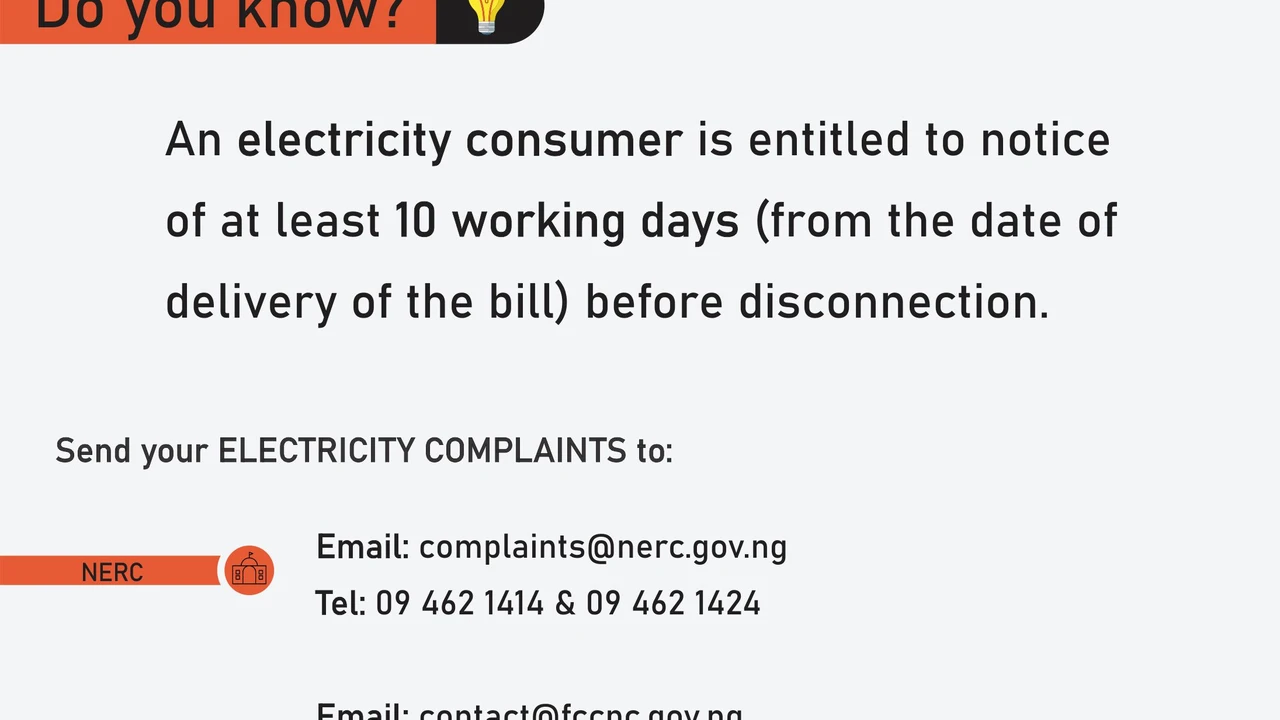
Sometimes, despite your best efforts, the company might not respond satisfactorily, or at all. This is when you need to escalate. Don't give up!
Social Media Power Leveraging Public Platforms for Resolution
In today's digital age, social media can be a powerful tool. Companies are often very sensitive to public complaints, as they can quickly damage their reputation. A polite but firm post on Twitter, Facebook, or Instagram, tagging the company's official accounts, can sometimes get a quicker response than traditional channels. Include key details but avoid excessive negativity. For example: “@[CompanyHandle] Still waiting for a resolution on my faulty [product] purchased on [date]. Case #[reference number]. Can someone please help?”
Be prepared for them to ask you to move the conversation to direct messages or email, which is fine. The goal is to get their attention and a commitment to resolve the issue.
Consumer Protection Agencies Your Next Line of Defense
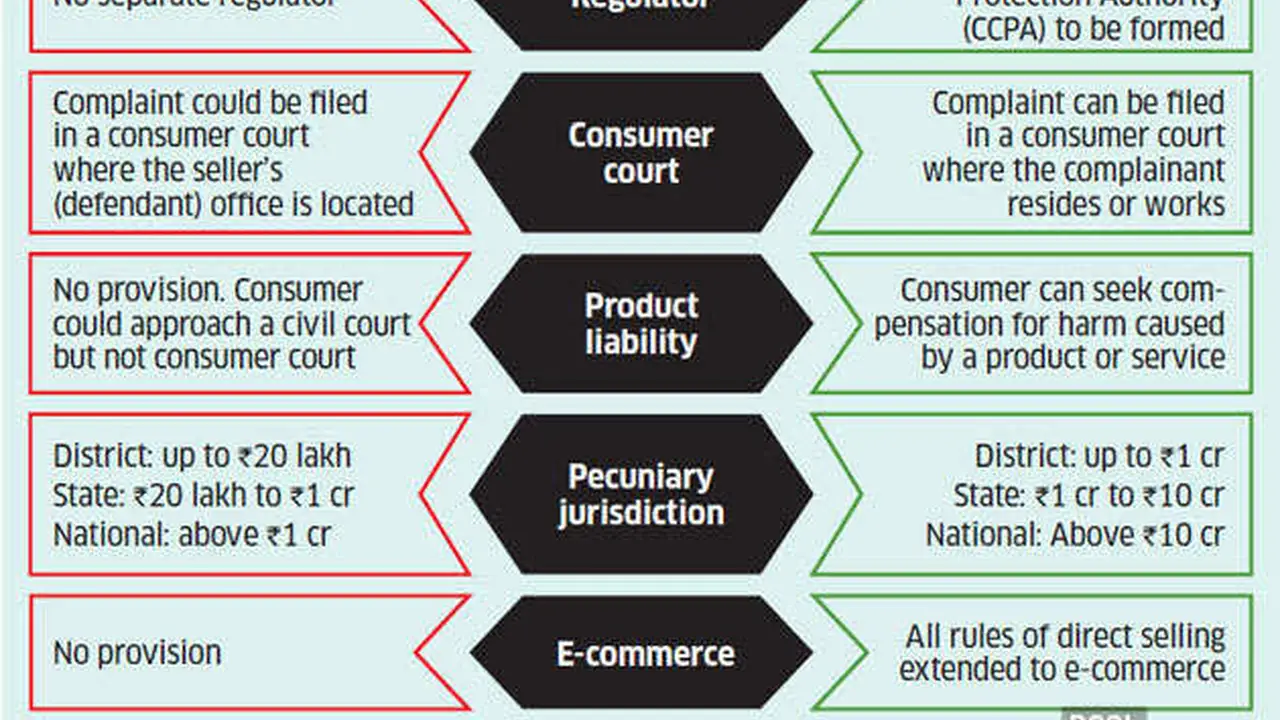
If direct communication and social media don't work, it's time to involve a third party. Both the US and Southeast Asian countries have consumer protection agencies designed to mediate or investigate complaints.
In the USA Key Agencies and How to File a Complaint
- Federal Trade Commission (FTC): The FTC is the primary federal agency protecting consumers. While they don't typically resolve individual complaints, they collect them to identify patterns of fraud and unfair business practices. Filing a complaint with the FTC helps them build cases against companies. You can file online at reportfraud.ftc.gov.
- Better Business Bureau (BBB): The BBB is a non-profit organization that helps resolve disputes between consumers and businesses. They have a strong reputation, and many businesses are accredited with them. Filing a complaint with the BBB can often prompt a company to respond, as it affects their BBB rating. You can file a complaint on their website, bbb.org.
- State Attorney General's Office: Your state's Attorney General's office often has a consumer protection division that can mediate disputes or take legal action against companies engaging in deceptive practices. Search for your state's Attorney General website to find their consumer complaint portal.
- Consumer Financial Protection Bureau (CFPB): If your dispute involves financial products or services (banks, credit cards, mortgages, student loans), the CFPB is the agency to contact. They handle individual complaints and work to get responses from companies. File a complaint at consumerfinance.gov/complaint.
In Southeast Asia Navigating Regional Consumer Protection
Consumer protection landscapes vary across Southeast Asian countries, but generally, each nation has its own consumer affairs ministry or department. Here are some examples:
- Singapore: The Consumers Association of Singapore (CASE) is a non-profit organization that handles consumer complaints and provides advice. You can file a complaint through their website. The Small Claims Tribunal also handles disputes up to a certain monetary limit.
- Malaysia: The Ministry of Domestic Trade and Consumer Affairs (KPDNHEP) is the main body. They have a consumer complaints portal and hotlines. The Tribunal for Consumer Claims (TCC) provides an easy and affordable avenue for consumers to seek redress.
- Thailand: The Office of the Consumer Protection Board (OCPB) is responsible for protecting consumer rights. They have a complaint center and online channels.
- Philippines: The Department of Trade and Industry (DTI) handles consumer complaints. They offer mediation and adjudication services.
- Indonesia: The National Consumer Protection Agency (BPKN) and the Directorate General of Consumer Protection and Trade Order (Ditjen PTKN) under the Ministry of Trade are key bodies.
Always search for the specific consumer protection agency in the country where the transaction occurred. They often have English-language websites and clear instructions on how to file a complaint.
Legal Avenues Small Claims Court and Arbitration
For disputes that remain unresolved and involve a significant amount of money, legal avenues might be your next step. This is usually a last resort, but it's important to know your options.
Small Claims Court A Cost Effective Option
Small claims court is designed for individuals to resolve disputes without the need for expensive lawyers. There are limits to the amount of money you can sue for, which vary by state in the US and by country in SEA. The process is generally simpler and less formal than regular court. You present your case, often directly to a judge, and the company will send a representative. Again, your meticulous documentation will be your strongest asset here.
Arbitration Understanding the Process
Some contracts include an arbitration clause, meaning you agree to resolve disputes through an arbitrator rather than in court. Arbitration can be faster and less formal than court, but it's important to understand that the arbitrator's decision is often binding, meaning you can't appeal it. If your contract has an arbitration clause, research the arbitration provider and understand their rules.
Preventative Measures Becoming a Savvy Consumer
While knowing how to advocate for yourself is crucial, preventing disputes in the first place is even better. Here are some tips to become a more savvy consumer:
- Read the Fine Print: Always, always read contracts, terms of service, and warranty information before you buy or sign up.
- Research Companies: Before making a significant purchase, check reviews, BBB ratings, and consumer protection agency records for complaints against the company.
- Understand Return Policies: Know the return and refund policies before you buy, especially for online purchases.
- Beware of Too Good to Be True Offers: If a deal seems too good to be true, it probably is. Exercise caution with unsolicited offers.
- Use Secure Payment Methods: Credit cards often offer better consumer protections (like chargebacks) than debit cards or direct bank transfers.
Recommended Tools and Services for Consumer Advocacy
To help you in your self-advocacy journey, here are a few tools and services that can make the process smoother:
1. Document Management Software and Apps
Keeping all your receipts, contracts, and communication organized is paramount. Instead of a messy physical folder, consider digital solutions:
- Evernote / OneNote: Great for capturing notes, photos, and web clippings. You can create dedicated notebooks for each dispute.
- Google Drive / Dropbox: Excellent for cloud storage of scanned documents, photos, and email archives. Easy to share if needed.
- Receipt-scanning apps (e.g., Expensify, Shoeboxed): These can help you digitize and categorize receipts immediately after purchase, preventing them from getting lost.
Usage Scenario: You just bought a new smartphone, and it's acting up. Immediately scan your receipt, warranty card, and any purchase agreements into a dedicated folder in Google Drive. When you call customer service, take notes directly in Evernote, including the date, time, representative's name, and what was discussed. If they ask for photos of the defect, you can easily upload them to the same folder.
Comparison: Evernote and OneNote are more about note-taking and organization, while Google Drive/Dropbox are pure cloud storage. Receipt-scanning apps are specialized for financial documents. For comprehensive dispute management, a combination (e.g., Google Drive for core documents, Evernote for call notes) works best.
Pricing: Most offer free tiers with ample storage for personal use. Premium features typically range from $5-$10 per month.
2. Call Recording Apps (Check Local Laws)
In some regions, and with proper disclosure, recording phone calls can be a powerful piece of evidence. Always check your local and state/country laws regarding call recording. In many places, all parties must consent to being recorded. If you are in a 'one-party consent' state/country, you can record without informing the other party, but it's always safer to disclose.
- ACR Call Recorder (Android): A popular app for Android users that automatically records calls.
- TapeACall Pro (iOS/Android): Offers reliable call recording, often using a three-way calling method.
Usage Scenario: You're about to call your internet provider about a persistent billing error. Before dialing, start your call recording app. At the beginning of the call, you might say, “Just to let you know, this call is being recorded for quality assurance and my records.” This provides an undeniable record of what was said, preventing any 'he said, she said' situations.
Comparison: ACR is often preferred for its automatic recording capabilities on Android, while TapeACall Pro is a solid cross-platform option, though it might require a subscription for full features.
Pricing: Free versions with ads or limited features, premium versions typically $5-$20 for a one-time purchase or annual subscription.
3. Email Tracking Tools
Knowing if and when your emails have been opened can be useful, especially when dealing with unresponsive companies. This adds another layer of documentation.
- Mailtrack (Gmail): A popular free extension that adds read receipts to your Gmail.
- HubSpot Sales (Outlook/Gmail): Offers more robust email tracking and CRM features.
Usage Scenario: You've sent a formal complaint email to a company and given them 10 business days to respond. With Mailtrack, you can see if they've opened the email. If they claim they never received it, your tracking data can contradict that, strengthening your position when escalating.
Comparison: Mailtrack is simple and effective for basic read receipts. HubSpot Sales is more comprehensive for sales professionals but can be overkill for individual consumer disputes unless you need its other features.
Pricing: Mailtrack has a generous free tier; premium features are a few dollars per month. HubSpot Sales has a free CRM, but advanced tracking features are part of paid plans.
4. Consumer Advocacy Websites and Forums
Sometimes, the best advocacy comes from collective experience. Websites and forums dedicated to consumer rights can provide valuable advice, templates, and even direct contacts for specific companies.
- Reddit (r/consumeradvice, r/legaladvice): These subreddits are active communities where users share experiences and offer advice on consumer disputes.
- Consumer Reports (US): While primarily a product review site, they also offer advocacy resources and advice on dealing with companies.
- Local Consumer Protection Websites (e.g., CASE Singapore, KPDNHEP Malaysia): These sites often have FAQs, complaint forms, and resources specific to your region.
Usage Scenario: You're having trouble with a specific airline's refund policy. Searching on Reddit's consumer advice forums might reveal that many others have faced the same issue and found a particular email address or department that is more responsive. This can save you a lot of time and frustration.
Comparison: Reddit offers peer-to-peer advice and real-time discussions. Official consumer protection websites provide authoritative information and formal complaint channels. Consumer Reports offers expert advice and product-specific insights.
Pricing: All these resources are generally free to access.
By combining these tools with a clear understanding of your rights and a persistent, strategic approach, you'll be well-equipped to advocate for yourself in almost any consumer dispute. Remember, your voice matters, and you have the power to ensure you get the fair treatment you deserve.
:max_bytes(150000):strip_icc()/277019-baked-pork-chops-with-cream-of-mushroom-soup-DDMFS-beauty-4x3-BG-7505-5762b731cf30447d9cbbbbbf387beafa.jpg)