Consumer Rights for Utility Services
Explore your consumer rights regarding utility services like electricity and water. What to do about billing issues.
Explore your consumer rights regarding utility services like electricity and water. What to do about billing issues.
Consumer Rights for Utility Services
Hey there! Ever felt like your utility company holds all the cards? You know, when your electricity bill seems way too high, or your water service gets unexpectedly cut off? It's a common feeling, but guess what? You actually have a lot more power than you might think. Understanding your consumer rights when it comes to essential services like electricity, water, gas, and even internet can save you a lot of headaches and, more importantly, a lot of money. This isn't just about complaining; it's about knowing the rules of the game and making sure you're treated fairly.
Whether you're in the bustling cities of the United States or the vibrant communities across Southeast Asia, utility services are a fundamental part of daily life. And with that comes a set of protections designed to ensure you receive reliable service, fair billing, and proper recourse when things go wrong. Let's dive deep into what those rights are, how they differ (or are similar) across regions, and what steps you can take to advocate for yourself.
Understanding Your Basic Utility Service Rights and Protections
First things first, let's talk about the foundational rights you generally have as a utility customer. These are pretty universal, though the specifics might vary. Think of these as your baseline expectations from any utility provider.
Right to Reliable and Safe Service
You pay for a service, and you expect it to work, right? This means your electricity should be consistent, your water clean and flowing, and your gas supply uninterrupted (barring emergencies or planned maintenance). Utility companies have an obligation to maintain their infrastructure and provide service that meets certain quality and safety standards. If your power goes out frequently, or your water pressure is consistently low, that's not just an inconvenience; it could be a violation of your right to reliable service. In the US, regulatory bodies like Public Utility Commissions (PUCs) oversee these standards. In Southeast Asia, similar government agencies or ministries often set and enforce service quality benchmarks.
Right to Fair and Transparent Billing Practices
This is a big one. Nobody likes a surprise bill, especially when it's unexpectedly high. You have the right to clear, understandable bills that accurately reflect your consumption. This includes:
- Accurate Metering: Your usage should be measured correctly. If you suspect your meter is faulty, you usually have the right to request a test.
- Clear Itemization: Your bill should break down all charges, not just give you a lump sum. You should be able to see your usage, the rate applied, taxes, and any other fees.
- Timely Billing: Bills should arrive regularly and on time, giving you ample opportunity to review and pay them.
- Notice of Rate Changes: Utility companies are typically required to notify you in advance of any rate increases.
Many US states have specific regulations on how utility bills must be presented. In countries like Singapore or Malaysia, regulatory bodies also ensure that billing is transparent and fair, often with standardized formats.
Right to Due Process Before Disconnection
Your essential services shouldn't just be cut off without warning. If you're having trouble paying your bill, you generally have the right to:
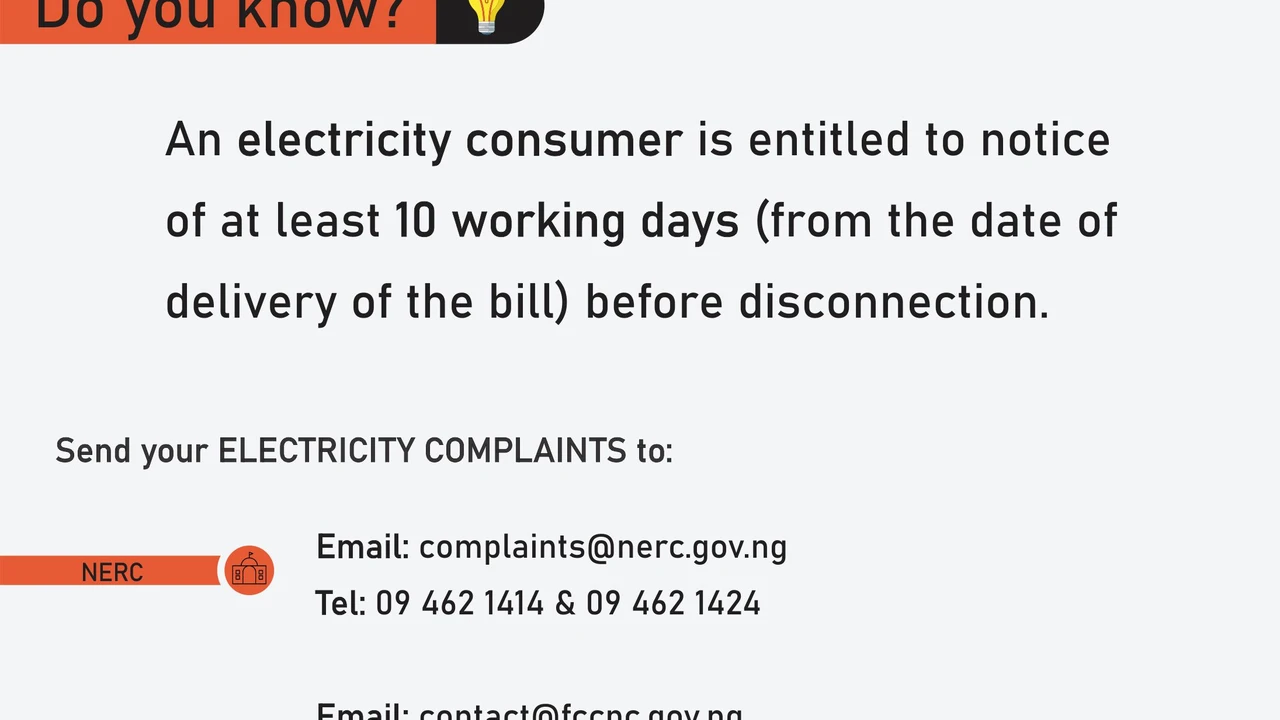
- Advance Notice: Utility companies must provide you with written notice before disconnecting service, usually several days or weeks in advance.
- Payment Arrangements: Many providers offer payment plans or extensions if you're facing financial hardship.
- Medical Exemptions: In some cases, if someone in your household has a medical condition that requires continuous service, disconnection might be delayed or prohibited.
- Appeals Process: You usually have the right to appeal a disconnection notice or dispute a bill before service is terminated.
These protections are particularly strong in the US, often mandated by state law. In Southeast Asia, while similar principles apply, the exact procedures and grace periods can vary by country and even by provider.
Right to Information and Customer Service
You have the right to easily access information about your service, rates, and rights. This includes having responsive customer service channels where you can ask questions, report issues, and resolve problems. This means phone lines, online portals, and sometimes even physical offices where you can get assistance.
Common Utility Billing Issues and How to Address Them
Now that we've covered the basics, let's get into the nitty-gritty of what often goes wrong and how you can tackle it.
Disputing High or Incorrect Utility Bills
This is probably the most frequent issue. You open your bill, and your jaw drops. What do you do?
- Review Your Bill Carefully: Don't just assume it's correct. Check your usage history, compare it to previous months, and look for any unusual charges. Did you have guests? Was there a heatwave?
- Contact the Utility Company: This is your first step. Call their customer service line. Be polite but firm. Explain why you believe the bill is incorrect. Keep a record of the date, time, who you spoke to, and what was discussed.
- Request a Meter Test: If you suspect your meter is faulty, ask for it to be tested. There might be a fee for this if the meter is found to be accurate, but it's often worth it for peace of mind.
- File a Formal Complaint: If customer service can't resolve the issue, ask about their internal complaint or dispute resolution process. Follow it to the letter.
- Escalate to a Regulatory Agency: If the utility company still isn't helping, it's time to bring in the big guns. In the US, this would be your state's Public Utility Commission (PUC) or Public Service Commission (PSC). They oversee utility companies and can mediate disputes. In Southeast Asia, look for similar government bodies responsible for regulating electricity, water, or telecommunications.
Dealing with Service Disconnections and Reconnections
Getting your service cut off is stressful. Here's how to handle it:
- Act Quickly: If you receive a disconnection notice, don't ignore it. Contact the utility company immediately to discuss payment options or dispute the bill.
- Understand Your Rights: As mentioned, you have rights regarding notice and payment arrangements. Know them.
- Payment Plans: Ask if you can set up a payment plan to pay off your arrears over time.
- Low-Income Assistance Programs: In many regions, there are government or non-profit programs (like LIHEAP in the US for energy assistance) that can help low-income households pay their utility bills. Research these options.
- Reconnection: Once you've paid your outstanding balance or made an arrangement, the utility company is usually required to reconnect your service within a specific timeframe (e.g., 24-48 hours).
Addressing Service Quality Issues and Outages
Beyond billing, sometimes the service itself is the problem. Frequent outages, low water pressure, or internet speeds that don't match your plan are all valid concerns.
- Report the Issue: Always report service problems to your utility provider. Get a reference number for your report.
- Document Everything: Keep a log of outages, dates, times, and how long they lasted. Take photos or videos if relevant (e.g., discolored water).
- Check for Compensation: Some utility companies offer automatic credits for extended outages, especially for internet or phone services. Ask about their policy.
- Escalate if Unresolved: If the problem persists despite your reports, escalate to the regulatory body. They can investigate and compel the utility to improve service.
Specific Utility Service Rights in the USA
The US has a robust framework for consumer protection in utilities, primarily at the state level. Each state has a Public Utility Commission (PUC) or Public Service Commission (PSC) that regulates utility companies.
Key US Utility Consumer Protections
- State-Specific Regulations: Rights vary by state. For example, California's PUC has very detailed rules on billing, disconnections, and customer service. New York's PSC also has strong consumer protections.
- Low-Income Programs: Programs like the Low Income Home Energy Assistance Program (LIHEAP) provide federal funding to states to help eligible households with energy costs.
- Winter Moratoriums: Many states have rules preventing utility disconnections during harsh winter months, especially for vulnerable populations.
- Medical Emergency Protections: If a household member has a medical condition requiring continuous service, disconnections can often be delayed or prevented with a doctor's note.
- Slamming and Cramming: Federal laws protect consumers from 'slamming' (unauthorized switching of your long-distance carrier) and 'cramming' (unauthorized charges on your phone bill).
Where to Get Help in the US
- Your State's Public Utility Commission (PUC/PSC): This is your primary resource for complaints and information. A quick search for "[Your State] Public Utility Commission" will lead you to their website.
- Federal Communications Commission (FCC): For issues related to telecommunications (phone, internet, cable TV).
- Consumer Financial Protection Bureau (CFPB): While not directly utility-focused, they handle complaints about financial products and services, which can sometimes overlap with utility billing issues if payment methods are involved.
- Local Consumer Protection Agencies: Many cities and counties have their own consumer affairs offices.
Specific Utility Service Rights in Southeast Asia
Consumer protection for utilities in Southeast Asia is evolving, with varying degrees of regulation across countries. While the general principles are similar to the US, the specific bodies and processes differ.
Key SEA Utility Consumer Protections
- Country-Specific Regulators: Each country has its own regulatory bodies. For example, in Malaysia, the Energy Commission regulates electricity and gas, and the National Water Services Commission (SPAN) regulates water. In Singapore, the Energy Market Authority (EMA) oversees electricity and gas, and the Public Utilities Board (PUB) manages water. In the Philippines, the Energy Regulatory Commission (ERC) and the National Water Resources Board (NWRB) play similar roles.
- Standardized Contracts: Many countries are moving towards standardized service contracts to ensure transparency and fairness.
- Complaint Mechanisms: Regulators typically provide formal channels for consumers to lodge complaints against utility providers.
- Consumer Associations: Independent consumer associations often play a vital role in advocating for utility users' rights.
Where to Get Help in Southeast Asia
- National Regulatory Bodies: Search for the specific energy, water, or telecommunications regulatory body in your country (e.g., Energy Commission Malaysia, EMA Singapore, ERC Philippines).
- Ministry of Consumer Affairs: Many countries have a ministry or department dedicated to consumer protection that can offer guidance or direct you to the right agency.
- National Consumer Associations: Organizations like the Federation of Malaysian Consumers Associations (FOMCA) or the Consumers Association of Singapore (CASE) are excellent resources.
- Telecommunications Regulators: For internet and phone services, look for the specific telecommunications authority (e.g., MCMC in Malaysia, IMDA in Singapore, NTC in the Philippines).
Practical Tips for Managing Your Utility Services and Bills
Beyond knowing your rights, there are proactive steps you can take to manage your utility services effectively and avoid problems in the first place.
Monitoring Your Utility Usage and Bills
Don't wait for a surprise bill. Be proactive!
- Regularly Check Your Meter: If you have access, periodically check your electricity, gas, or water meter readings and compare them to your bill. This helps you spot discrepancies early.
- Utilize Online Portals: Most utility companies offer online accounts where you can view your usage history, current bill, and sometimes even daily consumption data.
- Set Up Bill Alerts: Many providers allow you to set up email or SMS alerts for high usage or when your bill is due.
Energy and Water Conservation Tips
Reducing your consumption is the best way to lower your bills and avoid disputes over high usage.
- Smart Thermostats: Devices like the Nest Learning Thermostat (around $249 USD) or the Ecobee SmartThermostat with Voice Control (around $219 USD) can learn your schedule and optimize heating/cooling, saving significant energy. They are widely available in the US and increasingly in SEA.
- Energy-Efficient Appliances: When buying new appliances, look for ENERGY STAR ratings in the US or similar energy efficiency labels in SEA (e.g., NEA Energy Label in Singapore, SIRIM in Malaysia). While upfront costs might be higher, they save money in the long run.
- LED Lighting: Switching to LED bulbs is a no-brainer. Brands like Philips Hue (starter kits around $100-$200 USD) offer smart lighting solutions that are highly efficient and can be controlled remotely.
- Water-Saving Fixtures: Install low-flow showerheads (e.g., Delta Faucet Universal Showering Components, around $30-$70 USD) and toilets. Fix leaky faucets immediately.
- Unplug Electronics: 'Vampire drain' from electronics plugged in but not in use can add up. Use power strips with on/off switches.
Understanding Different Utility Plans and Providers
In some regions, you might have a choice of utility providers or different rate plans. It pays to shop around.
- Fixed vs. Variable Rates: Understand if your electricity or gas plan has a fixed rate (price per unit stays the same) or a variable rate (price fluctuates with the market).
- Time-of-Use Rates: Some plans charge different rates depending on the time of day. Shifting your usage to off-peak hours can save money.
- Renewable Energy Options: Many providers now offer options to source your energy from renewable sources, sometimes at a slightly different rate.
- Comparing Internet Providers: For internet, compare speeds, data caps, and pricing from different providers in your area (e.g., Comcast Xfinity vs. AT&T Fiber in the US; Maxis vs. TM Unifi in Malaysia; Singtel vs. StarHub in Singapore). Look at customer reviews for reliability.
When to Seek Professional Legal Advice for Utility Disputes
While most utility issues can be resolved through direct communication or regulatory bodies, there are times when you might need legal help.
Complex Billing Errors and Fraud
If you're facing extremely large, inexplicable bills, or suspect fraudulent activity (e.g., identity theft leading to utility accounts in your name), a lawyer specializing in consumer law can be invaluable.
Persistent Service Disconnections or Damages
If your service is repeatedly disconnected without proper cause, or if a utility company's negligence has caused significant damage to your property, legal action might be necessary to seek compensation.
Discrimination or Unfair Practices
If you believe you're being discriminated against by a utility provider based on race, religion, gender, or other protected characteristics, a lawyer can help you understand your options under anti-discrimination laws.
Class Action Lawsuits
In cases where many consumers are affected by the same issue (e.g., widespread overbilling), a class-action lawsuit might be initiated. A lawyer can advise you on joining such a suit.
Remember, your utility services are not a privilege; they are often considered a necessity. Knowing your rights and how to exercise them is crucial for protecting your household and your wallet. Don't be afraid to speak up and seek assistance when you encounter problems. The systems are there to help you, but you need to know how to navigate them.
:max_bytes(150000):strip_icc()/277019-baked-pork-chops-with-cream-of-mushroom-soup-DDMFS-beauty-4x3-BG-7505-5762b731cf30447d9cbbbbbf387beafa.jpg)